How Are Teachers Using AI For Students?
How teachers are using AI in schools, how this impacts kids’ learning, and what academic concerns parents should be aware of in Elk Grove
12/16/20252 min read

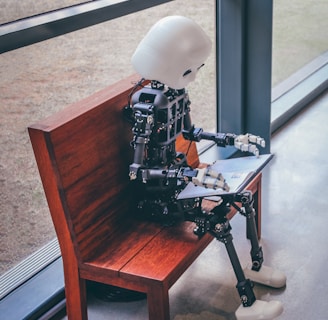
Educators across the U.S. are increasingly incorporating chatbots and other AI tools into their lesson plans and daily work, despite lingering concerns about the technology's impact on kids’ learning and its potential for biases and inaccuracies. Initial resistance from school districts has given way to a broader embrace of AI, driven by the myopic belief that thrusting AI tools and use haphazardly at staff and students will prepare them for an AI-powered future workforce.
While some studies point to potential benefits, others raise important concerns about a "crutch effect" that could undermine students' abilities for critical thinking and problem-solving. Nate Fairchild, an 8th grade teacher in Colorado, found that although AI could help his students with reading comprehension and writing feedback, students often failed to critically assess the outputs in their over-reliance on AI, leading to unnoticed errors and biases. In addition, without thoughtful structure and oversight, students’ critical thinking and analytical skills became weaker.
In addition, many private interest groups and school districts are also pushing for greater use of AI technology in tutoring, despite recent studies showing that high dosage, in person tutoring continues to provide the best impact for students struggling from learning loss.
Some critics, like education researcher Alex Molnar, worry that the widespread adoption of AI could transform public education from a civic institution into a "portal for funneling money to private interests."
It’s important for parents in Elk Grove to be aware of these potential impacts and issues stemming from the use of AI. Unfortunately, families cannot rely solely on schools or the EGUSD to provide guidance on AI tools and use, and need to raise concerns. Ask your students regularly about what AI use they notice in their classes and help them recognize the possible pitfalls and dangers of over-reliance.
What Teachers Are Using AI For
Creating and customizing content: Teachers are using AI to generate lesson plans, quizzes, and other instructional materials, which can be tailored to individual student needs and interests. For example, one teacher customized a chatbot to impersonate a historical figure to help students with a writing assignment.
Providing student feedback and support: AI tools are used to offer feedback on student writing and to summarize complex texts. Students at all levels can use the technology to get help with reading comprehension or to engage with a text's complexities.
Automating administrative tasks: School officials hope AI can help reduce pressure on teachers by assisting with tasks such as emailing parents and generating lesson plans, which may help combat high burnout and attrition rates among teachers.
Changes with AI in the Education Industry
Shift in district policy: After initial bans on AI, most of the largest school districts in the U.S., including New York City, now permit or even encourage its use, particularly by teachers and, in some cases, students.
Growth of the ed-tech market: The global market for AI in education is projected to soar from $6 billion to $32 billion by 2030, fueling a push by tech giants like OpenAI, Google, and Microsoft to get their products into schools. * Private sector influence: Companies and organizations are actively campaigning to embed AI in curricula, with some nonprofits receiving significant funding from tech firms and teachers' unions partnering with companies for AI training.
Concerns about data privacy and bias: The increasing use of AI raises serious questions about the security of student data and the potential for AI-generated content to contain factual errors, biases, and problematic impersonations. The privacy policy of at least one private school allows for extensive monitoring of students, including webcam and keyboard activity, to collect data.
Academic Tutoring
Expert academic support for Elk Grove students in reading, math, and study skills.
Success STARTS HERE
admin@
huntingtonelkgrove.com
(916) 585-3823
© 2026. All rights reserved.